Understanding Common Transportation Challenges in North Little Rock
In 2026, businesses in North Little Rock, Arkansas face unique transportation challenges. As a hub for commerce and industry, effective logistics and transportation are crucial for operational success. However, even the most efficient systems can encounter issues that disrupt service and impact the bottom line. In this guide, we delve into common transportation problems and offer practical solutions tailored for businesses in this region.
Identifying Common Transportation Problems
1. Traffic Congestion
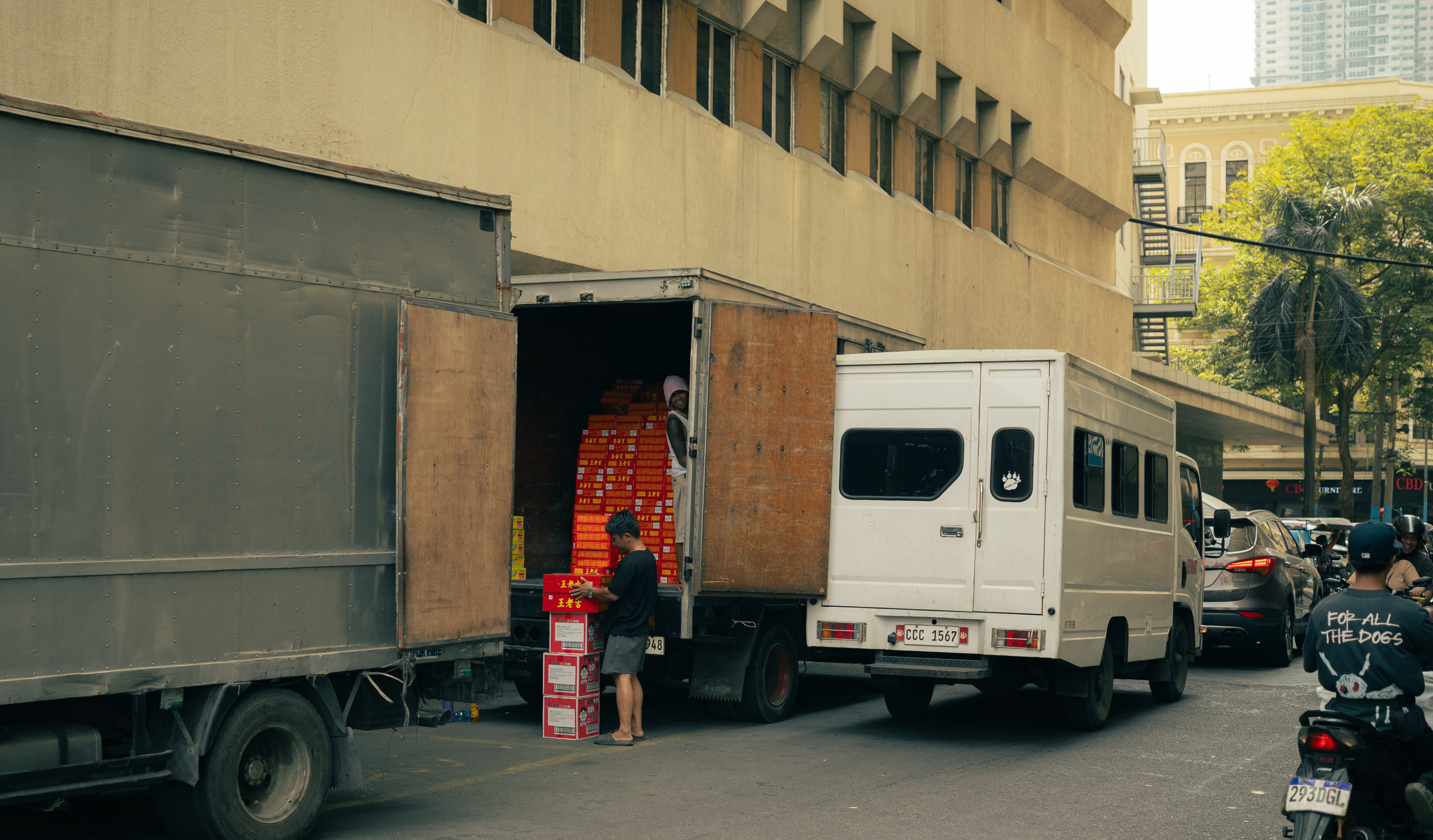
North Little Rock, with its growing economy, often experiences traffic congestion that affects delivery schedules. This can lead to increased fuel costs and delays that impact customer satisfaction.
2. Vehicle Maintenance Delays
Unplanned vehicle breakdowns can halt operations, making it vital to maintain a proactive approach to vehicle upkeep. Businesses often struggle with maintaining regular service schedules due to time and resource constraints.
3. Route Optimization
Choosing the most efficient routes is critical in minimizing travel time and fuel consumption. However, changing traffic patterns and road work can complicate route planning.
4. Compliance with Regulations
Staying compliant with transportation regulations can be daunting. Businesses must keep up with evolving laws and safety protocols that affect driver hours, vehicle conditions, and cargo handling.
Solutions to Transportation Challenges
Traffic Congestion Solutions
Adopt Real-Time Traffic Monitoring: Utilize advanced GPS systems that provide real-time traffic updates to help drivers avoid congested areas. Investing in technology that includes predictive traffic analytics can help schedule deliveries during off-peak hours.
Flexible Scheduling: Offering flexible delivery windows can help manage customer expectations and reduce pressure on meeting tight deadlines during peak traffic times.
Vehicle Maintenance Solutions
Implement a Preventive Maintenance Program: Schedule regular maintenance checks and use telematics to monitor vehicle health. This proactive approach can prevent costly breakdowns and extend vehicle life.
Partner with Local Mechanics: Build relationships with local service providers who can offer priority services for your fleet, reducing downtime and ensuring quick turnaround for repairs.
Route Optimization Strategies
Use AI-Powered Route Planning Tools: Leverage artificial intelligence to analyze traffic patterns and recommend the most efficient routes. These tools can adapt to real-time changes, ensuring your fleet remains on the fastest path.
Regular Training for Drivers: Equip drivers with updated training on route planning and navigation. Skilled drivers can make informed decisions that optimize delivery routes and times.
Compliance and Regulation Management
Stay Informed About Regulatory Changes: Subscribe to industry newsletters and join local transportation groups to stay updated on regulatory changes. Regularly review compliance checklists to ensure your operations meet all requirements.
Invest in Compliance Software: Use software to track and manage compliance-related tasks, such as driver logs and vehicle inspections. Automated alerts can help ensure deadlines are not missed.
Conclusion: Optimizing Transportation for Success
The transportation landscape in North Little Rock is dynamic and presents unique challenges that require innovative solutions. By implementing the strategies outlined above, businesses can mitigate common problems, improve efficiency, and enhance customer satisfaction. As you navigate these challenges, remember that continuous improvement and adaptation are key to thriving in the competitive transport sector of 2026.
For more insights and personalized solutions to your transportation needs, consider partnering with KLW Transportation. Our expert team is ready to assist you in optimizing your logistics operations for improved performance and reliability.